SOLAR TRACKER
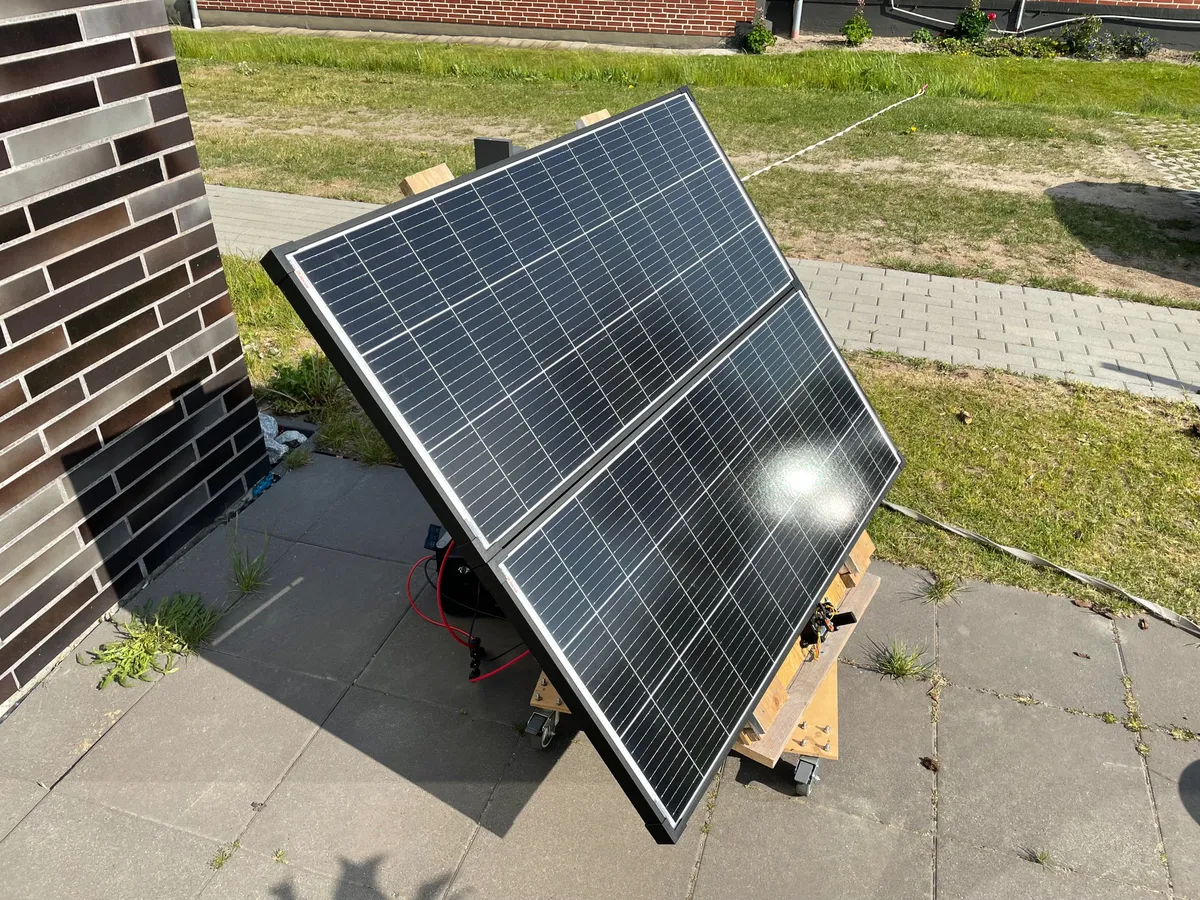
A dual-axis solar tracking system using light sensors and shadow analysis for maximum efficiency.
1. The "Why": Maximizing Efficiency
Solar panels are most efficient when the sun hits them at a perpendicular angle (90°). Fixed panels lose significant potential energy as the sun moves across the sky. I wanted to build a system that could actively track the sun's position throughout the day to ensure optimal alignment at all times.
2. The "How": Shadow Analysis
Tech Stack
- Sensors: Light Dependent Resistors (LDRs)
- Actuators: High-Torque Stepper Motor (Rotation), Linear Actuator (Tilt)
- Controller: Arduino / ESP32
- Fabrication: 3D Printed Shadow Maker
Sensor Logic
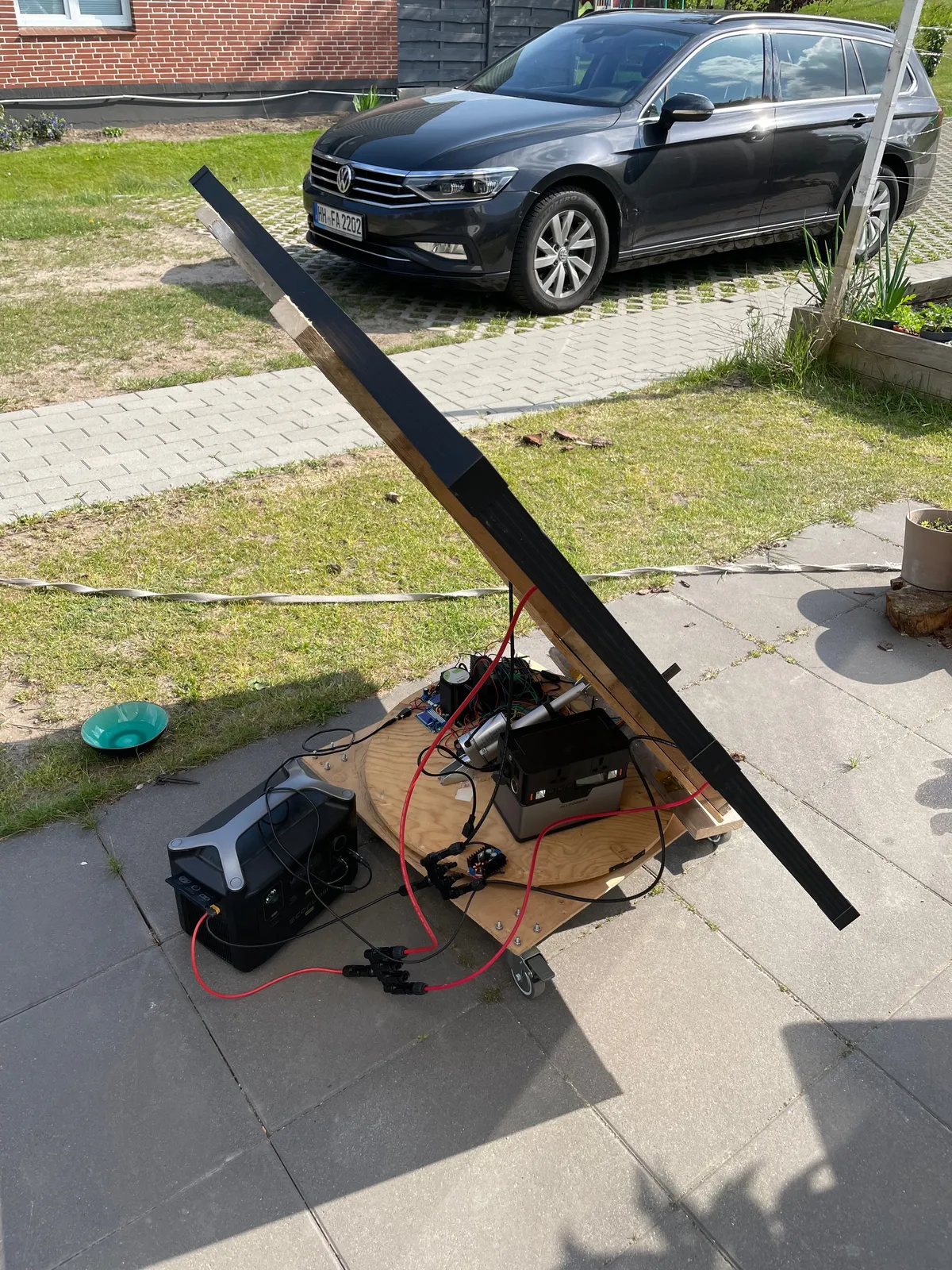
The core of the system is a custom 3D-printed "shadow maker" placed over an array of light sensors.
If the sun is directly overhead, all sensors receive equal light. If the sun moves, the shadow maker casts a shadow on one side of the array. The system detects this imbalance (e.g., Left Sensor > Right Sensor) and activates the motors to correct the alignment until the light levels are equalized.
Mechanical Design
Rotation (Azimuth)
A high-powered stepper motor rotates the entire platform to follow the sun from East to West. A physical stop switch is used to calibrate the home position at the start of each cycle.
Tilt (Elevation)
A linear actuator pushes the panel up and down to track the sun's height in the sky (which changes with the seasons).